
We all know the rule: to lose weight, you need a calorie deficit. But if you are trying to figure out how to count calories without weighing every single gram of food, you are in the right place.
But actually tracking those calories? It’s a nightmare.
You have to buy a food scale. You have to search for “medium apple” in a database. You have to break down every ingredient in your lasagna. After three days, most people quit because it feels like a second job.
But in 2026, the “Manual Tracking” era is ending. Thanks to Vision AI, there is a new way to track your intake that takes seconds, not minutes.
Here is how to count calories without losing your mind.
The Problem: Why Counting Calories Without Weighing Feels Impossible
The Problem: Why Counting Calories Without Weighing Feels ImpossibleThe reason most diets fail isn’t hunger—it’s friction.
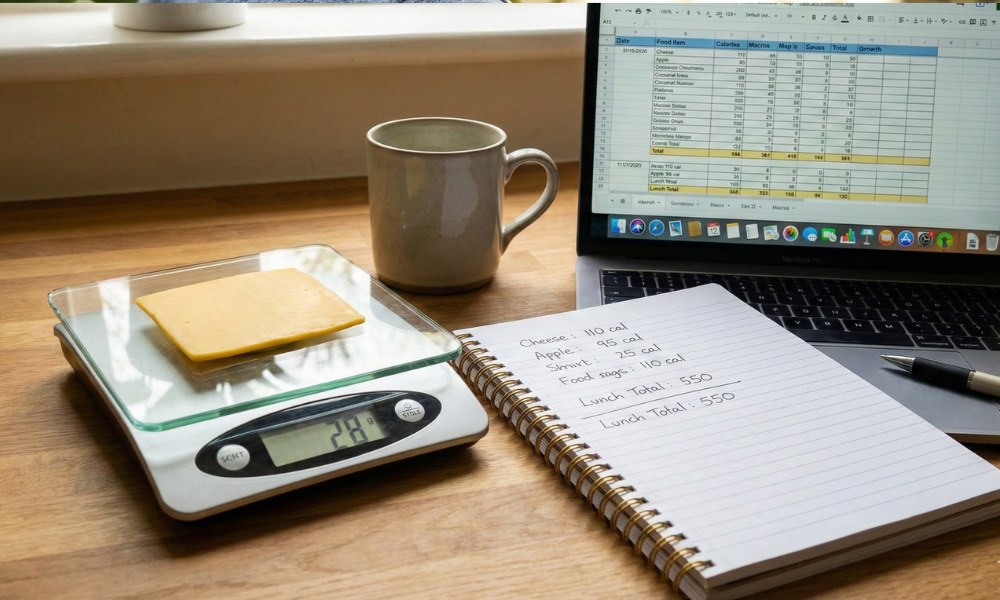
When you have to manually type in every snack, your brain starts to see eating as a chore. Psychologists call this “Dietary Restraint Stress.” It leads to two bad outcomes:
- The “Cheat Day” Binge: You get so tired of tracking that you stop completely and overeat.
- Obsession: You become afraid to eat food that you can’t perfectly weigh.
To succeed, you need to remove the friction.
The Solution: Vision AI Tracking
Imagine if you could just look at your food and know the number.
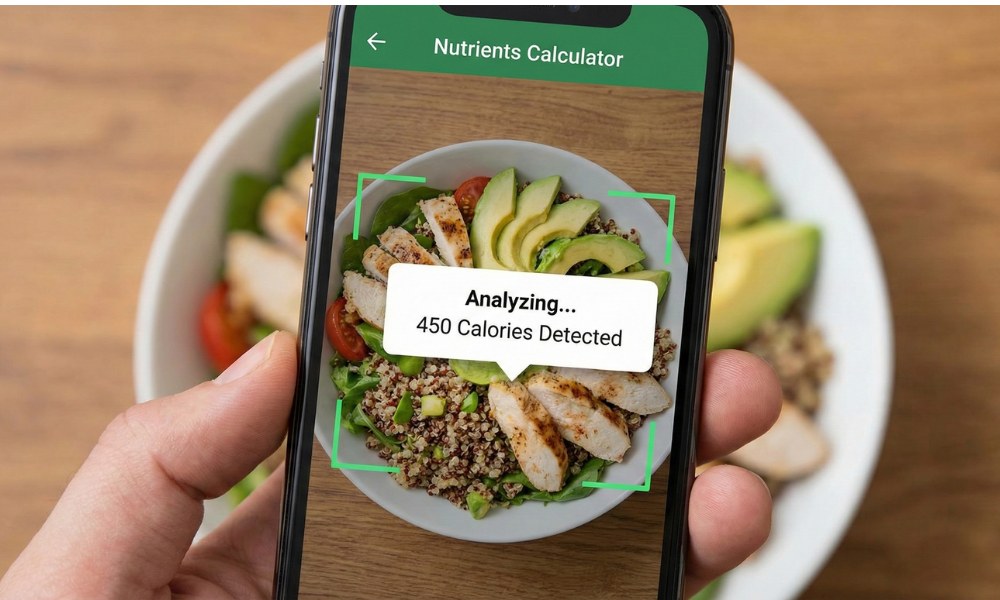
That is what Nutrients Calculator does. Instead of typing “Grilled Chicken Salad” and guessing the portion size, our AI analyzes the visual data of your meal.
How It Works
- Snap a Photo: Take a picture of your lunch.
- AI Analysis: The tool identifies the ingredients and estimates portion sizes, cross-referencing data with the USDA FoodData Central database for maximum accuracy.
- Instant Report: You get the Calorie, Protein, Carb, and Fat counts instantly.
Why This Changes Everything
1. It Takes 5 Seconds
The biggest barrier to consistency is time. If tracking takes 5 seconds, you will actually do it. If it takes 5 minutes, you won’t.
2. No More “Hidden” Calories
Did you know a “drizzle” of olive oil can add 120 calories? We often forget to type these in. Visual AI catches what you miss. It sees the oil on the salad and the sauce on the burger.
3. You Can Eat Out Again
Tracking restaurant food is usually impossible because you don’t know the ingredients. With AI, you don’t need the recipe. You just need a photo of the plate.
Real-Life Experiment: Manual Tracking vs. AI Tracking
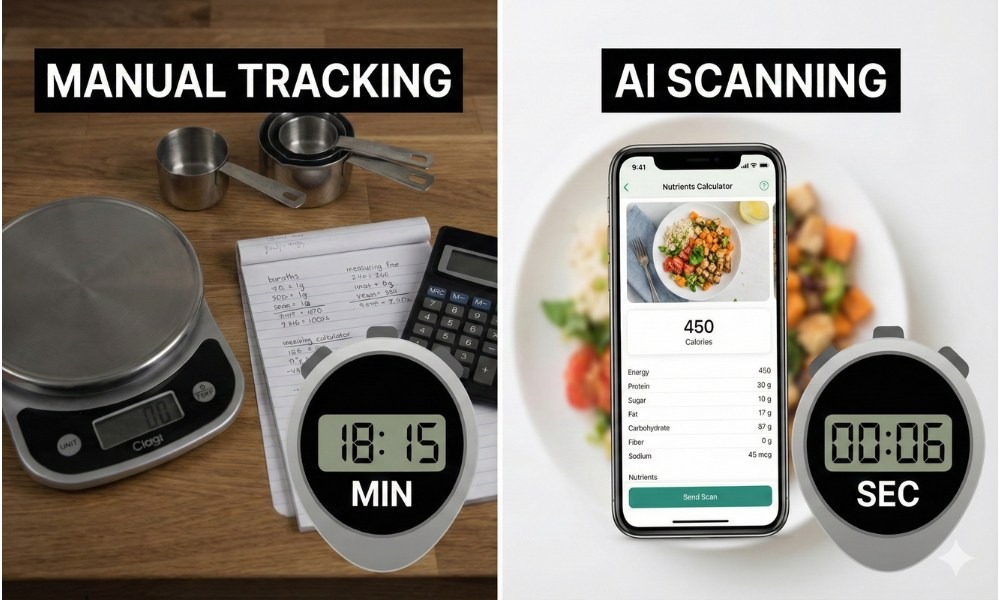
To prove how much time this saves, we ran a simple test. We tracked a full day of eating using the “Old Way” (weighing scales + database search) vs. the “AI Way” (Nutrients Calculator).
The “Old Way” (Manual Entry)
- Breakfast: Weighed oats, measured milk, searched for “blueberries,” estimated almond butter spoon size.
- Time Taken: 4 minutes 15 seconds.
- Stress Level: High. The almond butter was messy to weigh, and we almost forgot to log the coffee creamer.
The “New Way” (Vision AI)
- Breakfast: Snapped one photo of the bowl.
- Time Taken: 6 seconds.
- Stress Level: Zero. The AI detected the oats, berries, and nut butter instantly.
The Result: Over a full day of 3 meals and 2 snacks, Manual Tracking took 18 minutes. AI Tracking took less than 2 minutes. That is 16 minutes of your life saved every single day.
Common Mistakes When Using Food Scanners
Even AI isn’t magic. To get the most accurate numbers (and lose weight faster), avoid these three common traps:
1. The “Hidden Layer” Problem If you bury your chicken under a mountain of lettuce, the camera can’t see it.
- Fix: Make sure the protein and carb sources are visible before you snap the photo. “Deconstruct” your burger or sandwich slightly for the best accuracy.
2. Bad Lighting A dark, grainy photo makes a steak look like a rock.
- Fix: Turn on the flash or move your plate near a window. The clearer the texture, the better the calorie estimate.
3. Ignoring Drinks As we mentioned in our “Liquid Calories” guide, beverages are the silent killer of diets.
- Fix: Don’t just scan the plate. Scan the glass next to it. That orange juice might have more sugar than your entire breakfast.
Frequently Asked Questions (FAQs)
Is AI calorie counting accurate? Recent studies show that Vision AI is now within 85-90% accuracy of weighed food. While a digital scale is technically “perfect,” human error (like forgetting to log a snack) makes manual tracking less accurate in the real world. Consistency beats perfection.
Can I use this for Keto or Low Carb? Yes. The Nutrients Calculator breaks down Macros (Protein, Fats, Net Carbs), not just calories. It is an excellent tool for tracking fat intake on Keto.
Does it work for restaurant food? This is actually the best use case. You cannot bring a food scale to a restaurant without looking crazy. A photo is discreet, fast, and gives you a much better estimate than guessing.
Conclusion: Use Technology, Not Willpower
Weight loss shouldn’t require a degree in mathematics.
If you are tired of weighing scales and spreadsheets, stop doing it the hard way. Let the computer do the counting so you can enjoy the eating.
The era of manual tracking is over. You can now count calories without weighing your food, using just your smartphone camera.
If you want to take your tracking to the next level, check out our guide on the Best Glucose Monitors for Weight Loss to see how these foods affect your blood sugar.